

Data loss can hit you out of nowhere—a hard drive crashes right when you’re in the middle of an important project, ransomware locks up your business files, or your phone takes an unexpected swim with all your cherished photos inside. When the usual fixes don’t cut it, a professional recover data service is your best bet to save the day and get your valuable files back.
In this blog, we’ll walk you through everything you need to know about professional recover data services. Whether you
Data loss strikes when you least expect it—a hard drive fails during a critical project, ransomware encrypts your business files, or a phone drops into water with years of irreplaceable photos. When standard troubleshooting fails, a professional recover data service becomes the difference between permanent loss and full restoration. This page provides comprehensive information about professional recover data services for various devices and scenarios, helping you understand your options and what to expect.
This guide is for anyone facing data loss—whether you’re an individual, a small business, or an enterprise—who needs to understand how professional recover data services work and what to expect. Understanding these services is crucial for making informed decisions, protecting your information, and ensuring the best possible outcome after a data loss incident.
It’s important to note that data recovery companies vary in their experience, service quality, and security measures. Clients should carefully consider these differences when choosing a provider to ensure their data is handled securely and effectively.
What Is a Recover Data Service? (Summary)
Data recovery services can restore lost or corrupted information from a wide range of storage media, including hard drives, SSDs, and RAID arrays.<br> Data recovery services work on various media including hard disk drives, solid-state drives, USB flash drives, memory cards, and RAID systems.<br> Data loss can result from physical damage, logical corruption, accidental deletion, or malware.<br> A professional recover data service helps individuals, businesses, and government agencies recover critical files and information that are no longer accessible through standard means. This guide explains what devices and scenarios are covered, how the process works, and what you can expect at each step.
Introduction to Data Recovery
Data recovery is the process of restoring files that aren’t otherwise accessible due to various types of failures.<br> Data loss can result from physical damage (such as a dropped hard drive or water exposure), logical corruption (like file system errors or software corruption), accidental deletion, or malware attacks.
Data recovery is the specialized process of restoring lost, corrupted, or inaccessible data from a wide variety of storage devices. Whether you’re dealing with hard drives, solid state drives (SSDs), USB flash drives, or other digital storage media, the risk of data loss is ever-present. Common causes include accidental deletion, hardware failure, software corruption, or even physical damage to the device.
Key Concepts:
- Data Recovery: The process of restoring files that aren’t otherwise accessible due to various types of failures.
- Physical Damage: Damage to the storage device’s hardware, such as broken components, water exposure, or impact.
- Logical Corruption: Issues with the file system or software that prevent access to data, even if the hardware is intact.
- Data Loss Scenarios: Can include accidental deletion, hardware failure, logical corruption, or malware.
Professional data recovery services are designed to help both individuals and organizations recover lost data that might otherwise be gone forever. These services use advanced techniques and tools to retrieve valuable data, ensuring that important files, documents, and memories are not lost to permanent data loss. By relying on experienced recovery experts, you can maximize the chances of a successful recovery, regardless of the data loss scenario or the type of storage device involved.
Whether you’re facing a sudden hard drive crash, a malfunctioning SSD, or a USB flash drive that’s no longer recognized, professional data recovery is your best option for restoring critical information and minimizing downtime. The goal is always to recover as much data as possible, safeguarding your digital assets against the unexpected.
Key Takeaways
- Our recover data service covers hard drives, SSDs, RAID configurations, mobile devices, and cloud systems with a no data, no fee guarantee
- Most standard cases are evaluated within 24 hours, and many recoveries are completed in 2–5 business days, with 24/7 emergency options available
- Certified cleanroom environments, encrypted transfers, and strict chain-of-custody protocols protect government agencies, healthcare organizations, and enterprise clients
- Free initial evaluation and prepaid shipping within the US/Canada keep the process transparent, with written quotes provided before any work begins
- We regularly recover data others declare “unrecoverable,” including encrypted volumes, failed RAID arrays, and severely damaged devices
Over 20 Years of Professional Recover Data Service
Since the early 2000s, we have provided professional data recovery for individuals, small businesses, enterprises, and public-sector organizations facing data loss challenges of every kind. With tens of thousands of successful cases completed worldwide since 2003, our experienced team has built the expertise needed to handle the most complex recovery scenarios.
Our labs operate across North America with ISO-class cleanroom facilities designed for safe internal drive work on sensitive storage media:
- Handle all major failure types including physical damage, mechanical failure, logical corruption, accidental deletion, and ransomware incidents
- Process devices ranging from single USB flash drives to multi-petabyte enterprise storage arrays
- Maintain state of the art equipment and advanced technology to address evolving storage architectures
- Employ recovery experts with specialized training across all leading manufacturers of storage devices
- Deliver excellent customer service with regular status updates throughout the recovery process

Who Our Recover Data Service Is For
We tailor data recovery workflows and security controls to meet the specific needs of different client types. Whether you need to recover lost data from a single laptop or restore mission-critical data across a multi-site enterprise, our flexible service options adapt to your situation.
- Individuals: Photo libraries, family videos, personal documents, and home office systems including laptop and cell phones failures
- Small Businesses: Accounting systems, customer databases, point-of-sale data, and project files with focus on reducing downtime during normal business hours and beyond
- Mid-size and Enterprise: Virtualized environments, SAN/NAS systems, large RAID arrays, and mission-critical databases requiring quick recovery
- Government, Law Enforcement, and Schools: Chain-of-custody documentation, support for air-gapped and encrypted systems, and policy-compliant handling for sensitive investigations
Recover Data Service for Individuals
Personal data loss often happens at the worst possible moment—a dropped laptop containing your thesis, a non-booting desktop with years of family photos, or a dead external drive holding your entire music collection. Our recover data service handles these everyday emergencies with the same care and technical expertise we bring to enterprise cases.
Common Data Types Recovered
- Photos in all formats including RAW files from professional cameras
- Home videos and personal recordings
- Documents, spreadsheets, and presentations
- Email archives and contacts
- Full user profiles and application data
We support Windows, macOS, iOS, Android, and popular Linux desktop distributions. Your personal data is handled under strict confidentiality, with encrypted return media and optional secure deletion after you confirm successful recovery.
For time-sensitive losses like academic deadlines, travel photos, or important files needed immediately, we offer 24/7 emergency options alongside standard and economy tiers for non-urgent cases. You receive clear expectations up front about success likelihood, turnaround times, and data recovery cost ranges before you commit to anything.
Recover Data Service for Small Business
Many small and medium businesses rely on a single server, NAS device, or cloud account, making data loss especially disruptive to daily operations. When valuable data becomes inaccessible, every hour of downtime affects revenue, customer relationships, and team productivity.
We regularly recover data from:
| System Type | Common Examples |
|---|---|
| Financial Software | QuickBooks, accounting databases, payroll records |
| Customer Data | CRM exports, client communications, contact lists |
| Project Files | Design assets, contracts, archived work |
| Shared Storage | NAS folders, simple on-prem servers |
Our recovery service offers both remote data recovery (where safe and appropriate) and in lab recovery depending on the failure mode and urgency. We coordinate directly with your IT provider or MSP, or integrate with managed IT support for small businesses, to simplify troubleshooting and prevent further damage to the storage device.
Regulatory and Compliance Considerations
- Awareness of HIPAA requirements for clinics
- PCI considerations for payment data
- Ability to provide basic data processing agreements when needed
For organizations that rely heavily on remote access, pairing strong backup and recovery with remote IT support services for small businesses further reduces risk and disruption. We prioritize minimizing downtime and often start diagnostics the same business day for urgent small-business cases during regular business hours.
Recover Data Service for Enterprise and Government
Large organizations and public-sector clients face unique challenges when critical data becomes inaccessible. Complex multi-site environments, strict security requirements, and integration with existing IT infrastructure demand a recover data service that understands enterprise-scale operations across North America.
Supported Environments and Capabilities
- Integration with major vendors and platforms including VMware, Hyper-V, leading SAN/NAS brands, and mainstream backup software
- Strict chain-of-custody procedures that align with internal incident-response playbooks and audit requirements
- Support for environments with full-disk encryption, hardware security modules (HSMs), and multi-factor protected admin access
- On site response for sensitive systems that cannot leave the facility, plus remote recovery where policy allows
- Experience with municipalities, K–12 districts, universities, and law enforcement agencies
Our cyber security practices ensure that recovering important data never compromises your organization’s security posture or compliance standing.
Devices and Systems We Recover
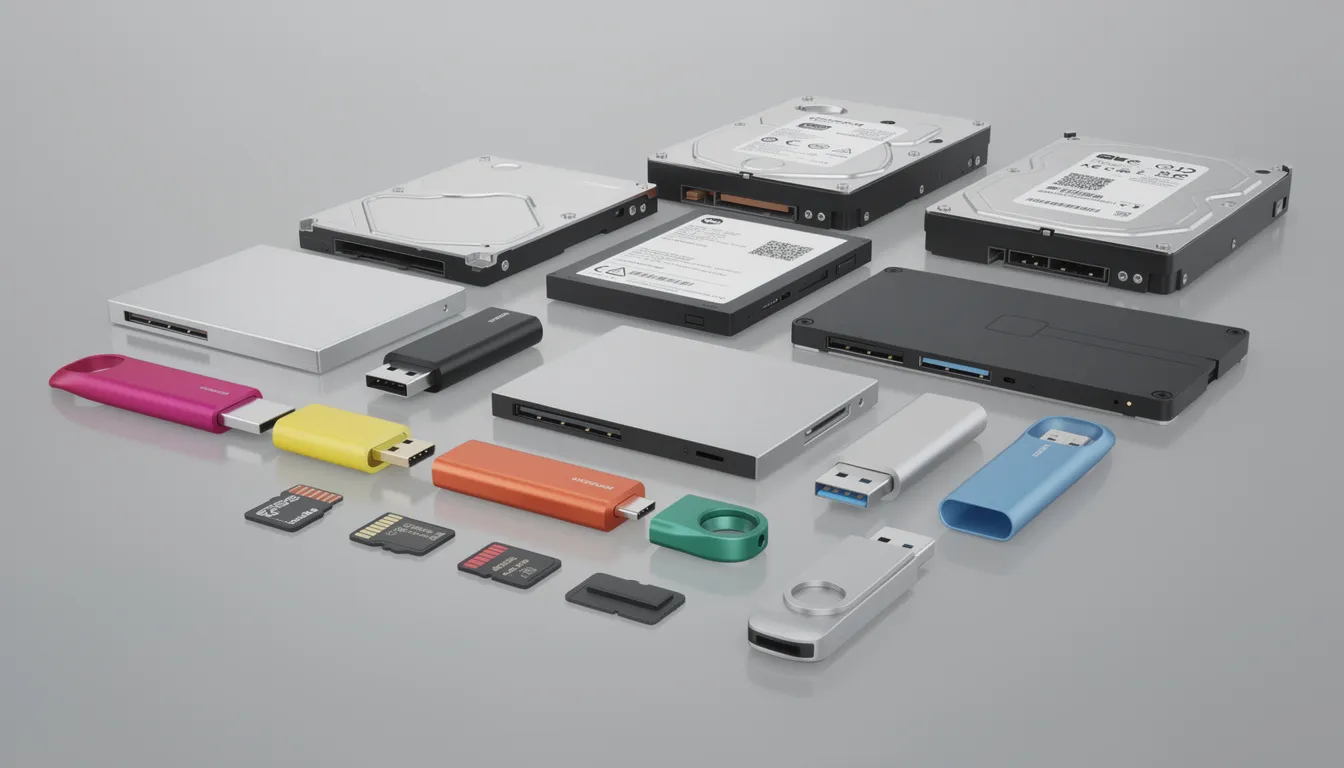
We support everything from single USB sticks to multi-petabyte storage arrays. No matter what storage media holds your lost files, our advanced tools and techniques can address the failure, and we can advise on sourcing replacement business-grade hardware and software solutions when equipment reaches end of life.
Personal and Portable Devices
- Internal and external hard drives (HDD)
- Solid state drives (NVMe and SATA)
- Laptops and desktops
- Smartphones and tablets
- USB flash drives and SD cards
Multi-Drive and Enterprise Systems
- RAID arrays (0, 1, 5, 6, 10, and custom configurations)
- NAS and SAN systems
- Physical servers running virtual machines
- Virtual environments including VMware and Hyper-V
Application and Data Targets
- Databases (SQL Server, MySQL/MariaDB, PostgreSQL, Oracle)
- Mail servers and email archives
- Backup repositories and images
Legacy Media
- LTO tapes and tape data recovery
- Older cartridge formats
- Archival disks and legacy media from previous decades
Core Technical Capabilities
Hard Drive and SSD Recovery
We work on 2.5” and 3.5” HDDs, hybrid drives, and modern NVMe and SATA SSDs from all major manufacturers. Hard drive recovery remains one of our most common services, addressing failures that range from simple logical issues to severe hardware failure.
Failures we handle include:
- Clicking drives and head crashes
- PCB failures and burned components
- Bad sectors and firmware corruption
- Controller issues and degraded performance
- Accidental formatting and deleted files
Internal work on HDDs is performed in certified cleanroom environments to avoid contamination of platters. For SSD recovery, we employ specialized techniques including chip-off recovery, controller-aware imaging, and careful handling of wear-leveling and TRIM side effects that can complicate restoring data from solid state drives.
After low-level imaging, we reconstruct partitions and file systems (NTFS, exFAT, APFS, HFS+, ext-series) to deliver recovered data in a usable format.
RAID, NAS, and SAN Recovery
Multi-drive failures present significant complexity because successful recovery depends on preserving drive order, parity information, and array metadata. A single misstep during the data recovery process can result in permanent data loss across the entire array.
We support all common RAID types:
| RAID Level | Description |
|---|---|
| RAID 0 | Striped, no redundancy |
| RAID 1 | Mirrored |
| RAID 5 | Striped with distributed parity |
| RAID 6 | Striped with double parity |
| RAID 10/50/60 | Nested configurations |
| Proprietary | Vendor-specific variants |
Our experienced engineers reconstruct RAID parameters (stripe size, parity rotation, disk order) before rebuilding RAID arrays virtually. We work with common platforms including Dell, HPE, Lenovo, Synology, QNAP, NetApp, and similar enterprise and SMB storage systems.
We can recover virtual machines and file shares hosted on NAS/SAN even when multiple disks have failed or arrays are marked as “foreign” by the controller.
Mobile, USB, and Flash Media Recovery
Mobile device recovery addresses smartphones, tablets, USB flash drives, and SD cards experiencing various failure modes. These devices often contain irreplaceable personal data that cannot be recreated.
For phones (iOS and Android), we recover data after:
- Liquid damage and corrosion
- Failed OS updates and boot loops
- Accidental resets and factory wipes (when technically possible)
- Physical impact damage
Modern mobile devices use strong encryption, so success depends on device state and key availability. We assess each case individually during our free evaluation to provide realistic expectations.
For USB and SD cards, common cases include:
- Broken connectors
- Bent cards
- Formatted media
- Unrecognized devices
We use chip-level access where required, with soldering and direct NAND access in lab environments performed by experienced engineers.
Database, Virtual Machine, and Cloud Recovery
Beyond raw file recovery, we specialize in retrieving data from structured databases and virtualized workloads where standard recovery approaches fall short.
Database Recovery:
- Microsoft SQL Server, MySQL/MariaDB, PostgreSQL, Oracle
- Popular embedded databases used in line-of-business applications
- Repair of corrupted tables, transaction logs, and indexes
- Export to clean, usable formats for immediate use
Virtual Environment Recovery:
- VMware vSphere/ESXi and Hyper-V
- Recovery of VMDK/VHDX files and guest OS data
- Virtual machines extracted from damaged host systems
Cloud Recovery Assistance:
- Guidance on restoring from cloud snapshots and object storage
- Support when provider’s native tools prove insufficient
- Coordination with SaaS backup solutions

Additional Services and Options
Beyond standard data recovery services, many providers offer a suite of additional options to address unique data recovery needs. Remote data recovery allows technicians to securely access and recover data over the internet, providing a convenient solution when shipping a device isn’t practical or when time is of the essence. For situations where sensitive data cannot leave the premises, on-site recovery brings experienced engineers directly to your location, ensuring data remains under your control throughout the recovery process.
Specialized services are also available for more complex or legacy systems. Tape data recovery is essential for organizations with archival backups on magnetic tapes, while mobile device recovery targets smartphones and tablets that have suffered data loss due to damage, software issues, or accidental deletion. Many companies also integrate cyber security services to help prevent future incidents and protect recovered data from further threats.
Flexible service options, such as expedited and emergency recovery, ensure that clients can choose the turnaround time and level of support that best fits their situation. Whether you need standard data recovery services or a tailored solution, these additional offerings provide peace of mind and comprehensive coverage for any data loss scenario.
Data Security and Compliance in Recovery
Data security and confidentiality are integrated into every stage of our recovery workflow. When you entrust us with your storage device, protecting your information becomes our primary responsibility alongside retrieving data successfully.
Physical Controls:
- Secured labs with restricted access areas
- Video surveillance and strict visitor policies
- Controlled chain-of-custody documentation
Logical Protections:
- Full-disk encryption on all return media
- Encrypted data transfers via secure protocols
- Segmented networks isolating lab systems
Compliance and Agreements:
- Alignment with industry standards including SOC-type audits
- HIPAA-aware processes for healthcare data
- Documented information security policies
- NDAs, business associate agreements, and custom contractual addenda available
Data Retention:
- Standard retention period following confirmed delivery
- Options for immediate purge when policy requires
- Certified data destruction upon request with detailed report
Recover Data Service Plans and Turnaround Times
We offer multiple service levels to balance urgency and budget for each case. Several factors influence the best choice, including how quickly you need your data and the complexity of the failure.
| Service Tier | Typical Diagnostic Time | Typical Recovery Time | Best For |
|---|---|---|---|
| Economy | 2–3 business days | 7–14 business days | Non-urgent cases, budget-conscious |
| Standard Service | Within 24 hours | 3–7 business days | Most common choice, balanced speed |
| Emergency | Within hours | Under 48 hours | Mission-critical, 24/7 processing |
Economy Tier: The most cost-effective option for non-urgent cases. Your device enters a longer queue with processing during standard business hours.
Standard Tier: Our default choice with typical total turnaround in about 3–7 business days after approval, depending on device size and damage severity.
Emergency Tier: 24/7 lab access with immediate diagnostics and fastest possible completion. When technically feasible, we complete emergency recoveries in under 48 hours.
These timeframes are estimates that depend on device condition, capacity, and complexity. We provide realistic projections during evaluation rather than overpromising guarantees.
Free Evaluation, Shipping, and No Data–No Fee Policy
Every new case begins with a free evaluation in our lab—no obligation, no pressure. This initial assessment determines exactly what happened to your storage device and what recovery options exist.
Getting Started:
- Receive simple instructions to package your device safely
- Use our free shipping label for prepaid inbound shipping within the US/Canada
- Track your package throughout transit
Evaluation Process:
- Engineers assess the device upon arrival
- Determine failure type (logical, physical, or combination)
- Estimate recoverable data and effort required
- Provide a written quote detailing the recovery process
Our Guarantee:
- Data no charge if we cannot recover the requested data set
- No recovery fee for unsuccessful attempts
- Clear communication about any typical exclusions
If you decline our quote or the recovery proves unsuccessful, your original device can be returned or securely destroyed on request with shipping terms stated plainly.
How Our Recover Data Service Process Works
Understanding the end-to-end workflow helps you know what to expect from first contact through receiving your recovered data. Our process is designed to maximize recovery chances while keeping you informed at every step.
Stage 1: Initial Consultation
Contact us via phone, email, or our online form. Describe the data loss scenario, what data matters most, and any symptoms you observed.
Stage 2: Safe Shutdown Guidance
Before shipping, we provide instructions to prevent further damage. This may include avoiding additional power-on attempts or properly disconnecting drives from RAID configurations.
Stage 3: Device Intake and Logging
Upon arrival, we log your device into our secure tracking system, document its condition, and assign it to an appropriate recovery specialist.
Stage 4: Technical Evaluation
Our experienced team creates a sector-level image whenever possible, working on the copy to protect the original media from additional stress.
Stage 5: Quote Approval
You receive a detailed assessment including success probability, estimated turnaround, and pricing. Approve to proceed or decline with no obligation.
Stage 6: Recovery Work
Using advanced techniques appropriate to the failure type, we extract all my data that remains accessible on the media.
Stage 7: Data Return
Choose your preferred delivery method:
- Encrypted external drive shipped to you
- Secure download portal for smaller data sets
- Direct transfer back to your servers on site
We provide regular status updates by email or phone during active recovery, especially for enterprise and emergency cases. Post-recovery, we offer basic verification support and guidance on next-step backups to prevent future data loss.
Global Data Recovery
In today’s interconnected world, data loss can happen anywhere—and so can data recovery. Global data recovery services are designed to support clients no matter where they are located, making it possible to recover data from devices across different countries and continents. This is especially valuable for international businesses, remote teams, or individuals who travel frequently and need reliable access to recovery expertise worldwide.
A global data recovery company brings together advanced tools, experienced engineers, and a deep understanding of diverse storage systems, including hard drives, SSDs, RAID configurations, and virtual environments. Whether the data loss is due to hardware failure, human error, or a cyber attack, these experts are equipped to handle even the most complex scenarios. Their ability to work with various storage media and adapt to different regulatory environments ensures that your data recovery process is smooth and secure, regardless of location.
With global reach and state-of-the-art technology, these companies provide assurance that your data is in capable hands—no matter where disaster strikes. From recovering mission-critical files in a foreign office to restoring personal memories from a device damaged abroad, global data recovery services deliver solutions that transcend borders.
Preventing Future Data Loss
A major part of our value is helping clients avoid needing recover data services again. After experiencing data loss firsthand, most clients are motivated to implement better protection strategies and seek ongoing guidance from expert IT advice resources for businesses.
Backup Strategies:
- Follow the 3-2-1 rule: three copies, two media types, one offsite
- Example setup: local NAS for daily backups plus cloud backup for disaster recovery
- Implement versioned backups that maintain multiple historical copies
- Configure ransomware-resistant backup settings that prevent encrypted files from overwriting good copies
Physical Precautions:
- Use surge protection and UPS systems for servers and critical workstations
- Avoid laptop impacts and drops that cause head crashes
- Ensure proper cooling and dust control in server environments
- Handle portable drives carefully during transport
Verification and Training:
- Perform regular test restores to confirm backups actually work before emergencies occur
- Train users to recognize drive failure symptoms: clicking sounds, slow reads, frequent freezes
- Never reinstall operating systems on drives showing failure signs
- Contact recovery options early rather than attempting repeated fixes that may worsen damage

Frequently Asked Questions
How much does professional data recovery usually cost?
Data recovery cost depends on several factors: device type (HDD, SSD, RAID, mobile), storage capacity, failure severity (logical versus physical damage), and required turnaround time. Simple single-drive logical cases involving accidental deletion or file system corruption typically fall at the lower end of the range, while complex RAID reconstructions or chip-off recoveries from damaged flash media require more extensive work and higher investment.
A firm quote is only provided after our in-lab evaluation, which is completely free and without obligation. This ensures you receive accurate pricing based on your specific situation rather than generic estimates.
Can I try data recovery software before using your service?
Data recovery software can be safe for simple deletion recovery on a healthy drive—retrieving deleted files that haven’t been overwritten is often straightforward. However, using software on failing or physically damaged media carries significant risks.
Avoid running any software when you observe:
- Clicking, grinding, or unusual noises
- Frequent freezes or system crashes
- SMART errors or warnings
- The drive taking unusually long to respond
Running software on a failing drive can worsen damage and significantly reduce chances of successful recovery by a professional service. When in doubt, power down and consult with recovery experts before attempting anything.
How long will you keep my recovered data?
By default, we retain a copy of recovered data for approximately two weeks after you confirm receipt. This retention period protects against shipping problems or transfer issues that might require us to resend your data.
Clients can request shorter or longer retention periods based on their needs. For regulated environments requiring immediate deletion upon confirmation, we accommodate those policies. When the retention period ends, data is securely wiped following documented internal procedures using methods that prevent any future retrieval.
Will data recovery void my device warranty?
Many leading manufacturers allow professional data recovery without voiding the device warranty, especially when work is performed in certified lab environments following vendor-recommended procedures. However, warranty terms vary between manufacturers and specific products.
We recommend checking your specific warranty documentation before proceeding. Even if your warranty doesn’t cover data recovery costs, it may still cover replacement hardware after the recovery process is complete. Our team can discuss warranty considerations during your free evaluation.
What should I do immediately after a data loss incident?
Taking the right steps immediately after discovering data loss significantly improves recovery chances:
- Power down the affected device immediately—do not keep retrying boots or running diagnostics
- Disconnect damaged storage from the system and label it clearly, especially important for RAID configurations with multiple drives
- Do not install new software or attempt to reformat the drive
- Document what happened: note any error messages, sounds, or symptoms you observed
- Contact a professional recover data service as soon as possible, providing details about the incident and identifying which data matters most
The most common mistake is continuing to use a failing drive, which can transform a recoverable data loss scenario into permanent data loss. Human error during panic often causes more damage than the original failure.
